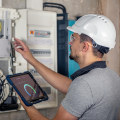
A professional home inspection is one of the most important steps in the buying, selling, or maintaining of a property because it reveals the true condition of the home beyond what the eye can see. Inspectors evaluate major systems such as roofing, electrical, plumbing, HVAC, structure, and safety components to identify potential problems and long-term risks. Preparing properly for an inspection not only makes the process smoother, but it also helps ensure that the results accurately reflect the home’s condition rather than avoidable access issues or overlooked details. A well-prepared home can prevent delays, reduce surprise repair requests, and demonstrate responsible ownership to buyers, lenders, or insurers.
Exterior Preparation and First Impressions
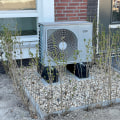
The inspection begins the moment the inspector arrives, and the exterior plays a major role in setting the stage. Homeowners should clear access to the foundation, exterior walls, rooflines, and crawl spaces so the inspector can safely and thoroughly examine these areas. Trim overgrown vegetation away from siding, HVAC units, and utility access points. Make sure gates are unlocked and walkways are safe and debris-free. Gutters and downspouts should be visible enough to assess drainage patterns and signs of water damage. These small steps help the inspector verify the home’s weather protection and structural health without obstruction.
Interior Access, Safety, and System Visibility
Inside the home, clear access is just as critical. Inspectors need to reach electrical panels, water heaters, furnaces, air handlers, attic entrances, and plumbing access points without moving heavy furniture or stored items. All utility shutoff valves should be visible and reachable. Replace burned-out light bulbs so fixtures can be properly tested, and ensure that smoke detectors and carbon monoxide alarms are functional. Unlock doors to garages, storage rooms, and mechanical closets. When inspectors can move freely and safely through the home, they can complete their work more efficiently and with greater accuracy.
Plumbing, Leak Prevention, and Water Readiness
Plumbing issues are among the most common discoveries during home inspections, making preparation in this area especially important. Check under sinks, around toilets, behind washing machines, and near water heaters for signs of active leaks or old water damage. Ensure that all faucets, showers, and outdoor spigots are accessible for testing. Slow drains, unusual odors, or inconsistent water pressure should be addressed beforehand whenever possible. Many homeowners take inspiration from resources found on a plumber's website to better understand what inspectors typically look for and how to prepare systems for evaluation. Proper plumbing readiness not only improves inspection results but also protects the home from unexpected water-related complications.
HVAC, Attic, and Structural Readiness
Your HVAC system should be fully operational on the day of the inspection, as inspectors will test heating and cooling performance. Replace air filters, ensure thermostat access, and remove obstructions around indoor and outdoor units. Attic access points should be clear, and any stored items should be moved if they block the entry. In the attic and basement, inspectors look for insulation quality, moisture intrusion, ventilation, and structural framing. Cracks, stains, or sagging areas should not be hidden, as transparency builds trust and prevents future disputes.
Documentation, Cleaning, and Final Touches
While home inspections are not cosmetic evaluations, a clean and orderly home makes it easier for inspectors to do their job and leaves a positive impression on buyers. Light cleaning in kitchens, bathrooms, and utility areas improves visibility of fixtures and surfaces. Gather documentation for repairs, updates, permits, warranties, and service records related to roofing, HVAC, electrical, plumbing, or structural improvements. This paperwork supports any recent upgrades and can reduce uncertainty for buyers. Address minor repairs like loose handles, dripping faucets, missing outlet covers, and sticking doors whenever possible.
Confidence Through Preparation
Preparing your home for a professional inspection is not about hiding flaws, but about presenting the property in an honest, accessible, and well-maintained condition. When systems are exposed, access is clear, and documentation is organized, inspectors can do their job thoroughly and accurately. This preparation minimizes delays, reduces negotiation surprises, and strengthens buyer confidence. Whether you are selling, refinancing, or simply evaluating your home’s health, thoughtful inspection preparation transforms a stressful moment into a controlled and confident step forward.