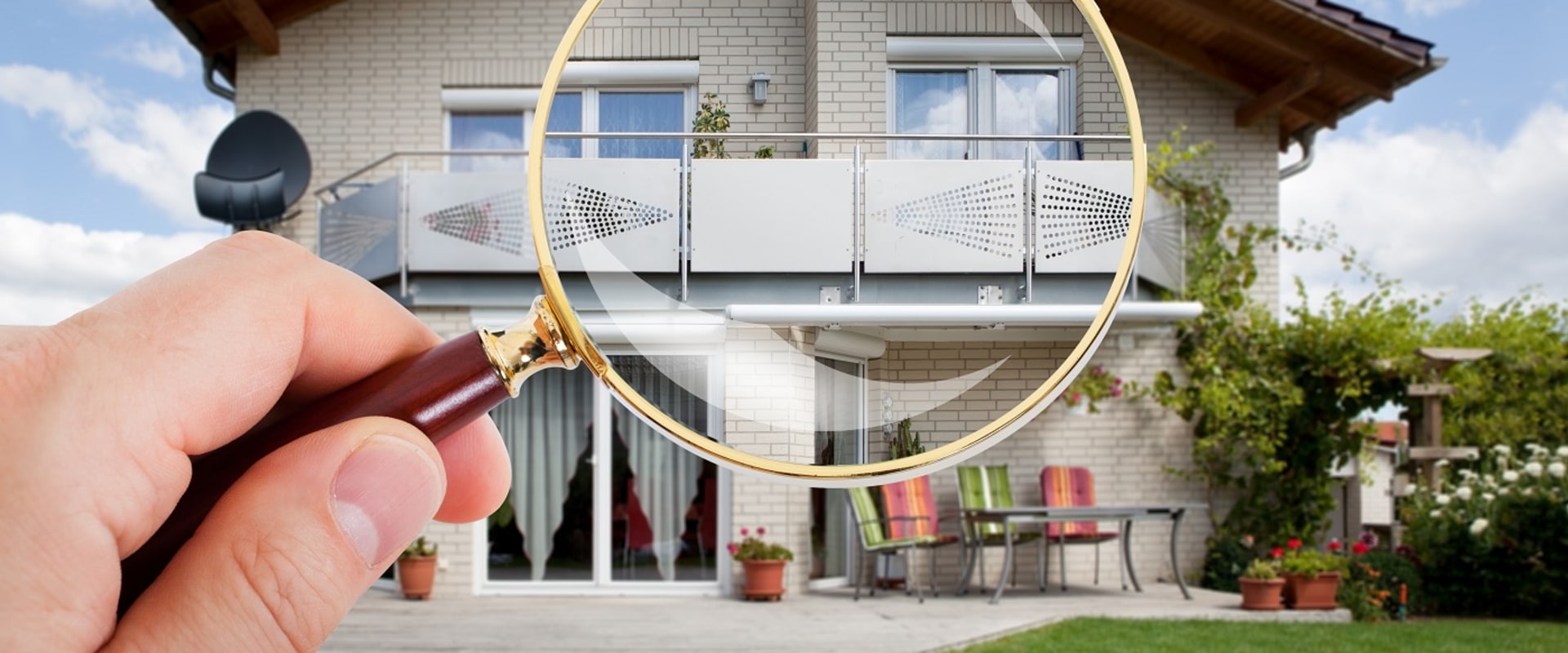
A home inspection is one of the most important steps in the buying or selling process, offering a clear picture of a property’s condition and helping prevent surprises down the road. Whether you’re preparing to list your home or evaluating one you hope to purchase, understanding how to spot common issues can save time, money, and stress. Inspectors look at major systems—roofing, plumbing, electrical, HVAC, and structural components—but being familiar with these areas yourself allows you to ask informed questions and interpret inspection results more confidently. A well-prepared homeowner or buyer can better anticipate repair needs, negotiate more effectively, and avoid overlooking small problems that could become more expensive later. A home inspection is one of the most important steps in the buying or selling process, offering a clear picture of a property’s condition and helping prevent surprises down the road. Whether you’re preparing to list your home or evaluating one you hope to purchase, understanding how to spot common issues can save time, money, and stress. Inspectors look at major systems—roofing, plumbing, electrical, HVAC, and structural components—but being familiar with these areas yourself allows you to ask informed questions and interpret inspection results more confidently. A well-prepared homeowner or buyer can better anticipate repair needs, negotiate more effectively, and avoid overlooking small problems that could become more expensive later.
Roof, Exterior, and Structural Concerns
Start your evaluation by looking at the exterior and structure, as these are often the most financially significant areas to repair. Roof issues such as missing shingles, sagging sections, or deteriorating flashing can indicate aging materials or water intrusion. Inspecting gutters and downspouts also matters, since poor drainage can lead to foundation problems. Around the home’s perimeter, check for cracks in the foundation, uneven grading, or signs of pest activity, which may suggest underlying damage. Windows and doors should open smoothly and seal tightly, as drafts or warping can indicate moisture problems or settling. While some issues are minor, structural red flags should always be taken seriously, since they may require specialized intervention and substantial investment.
Plumbing and Electrical Systems
Inside the home, plumbing and electrical systems are two areas where hidden issues can create major headaches. Look under sinks for moisture, stains, or mold, all of which signal active or past leaks. Test faucets, showers, and toilets to ensure proper pressure and drainage, and examine water heaters for rust or unusual noises. Electrical safety is equally important: outdated panels, overloaded circuits, and exposed wiring can pose risks and may not meet current standards. During your walkthrough, test light switches, look for flickering fixtures, and note any warm outlets or breaker trips. These clues help you identify areas that may need updating or further inspection.
HVAC, Ventilation, and Interior Red Flags
Heating, cooling, and ventilation systems significantly impact comfort and energy efficiency, so understanding their condition is essential. Dirty filters, inconsistent temperatures between rooms, or unusual system noises can signal underlying problems. If you suspect issues with airflow or climate control, seeking guidance from professionals such as Nortech Heating, Cooling & Refrigeration. can help ensure these systems are functioning safely and efficiently. Beyond mechanical systems, pay attention to the home’s interior surfaces. Stains on ceilings or walls often indicate moisture intrusion, while uneven floors or sticky doors might point to settling or structural shifts. Inspecting basements and attics is equally important—look for signs of water damage, insufficient insulation, or pests, which can all impact the home’s long-term integrity.
Bringing It All Together
By familiarizing yourself with these common inspection points, you can approach the process with greater clarity and confidence. While inspectors provide expert evaluations, your own observations can help you anticipate potential issues and ask the right questions. Whether you’re preparing to sell or searching for the perfect home, understanding how to identify early warning signs allows you to make more informed decisions, negotiate repairs effectively, and ultimately protect your investment for years to come.